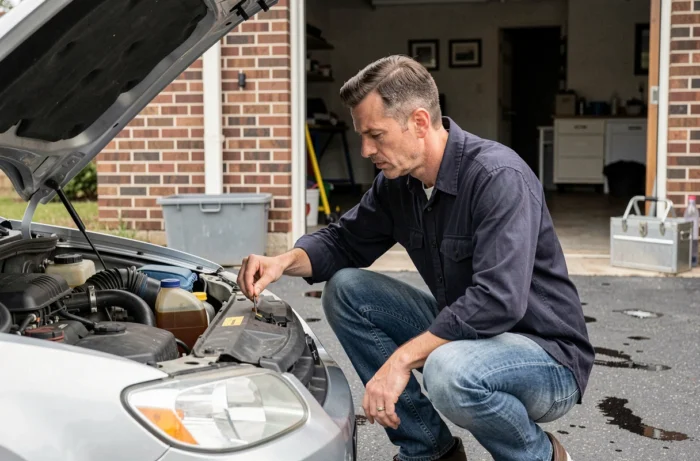
Car maintenance is about more than visits to the garage. A few regular checks that require no particular mechanical expertise can help keep a vehicle reliable and safe. With tire regulations changing every year and driving habits affecting the lifespan of mechanical components, motorists can benefit from knowing a few practical guidelines to make sure they carry out maintenance at the right time.
Winter tires and the Mountain Law: what has really changed since November 2024
Competitors rarely cover tire regulations, even though they directly affect safety and can complicate a journey. Since November 1, 2024, tires marked only M+S are no longer sufficient to meet winter equipment requirements. Only tires bearing the 3PMSF marking (the mountain-and-snowflake symbol) are accepted, as are chains or snow socks suitable for at least two drive wheels.
One point that is often misunderstood: the requirement does not apply to an entire département, but only to municipalities designated by a prefectural order. For example, two municipalities in Isère were added to the designated area in 2026. Before traveling in a mountainous area, checking your route and the B58 signs is more reliable than relying solely on the name of the département you are driving through.
As for penalties, the situation is less clear-cut than it is often made out to be. Several sources mention a €135 fine, while others say the decree required to issue fines has not been published.
The absence of a formal penalty does nothing to reduce the real risk: driving without suitable equipment on a snow-covered road can lead to an accident and insurance complications. Among Voiloo’s car care tips, checking your tires is naturally at the top of the list for the cold season.
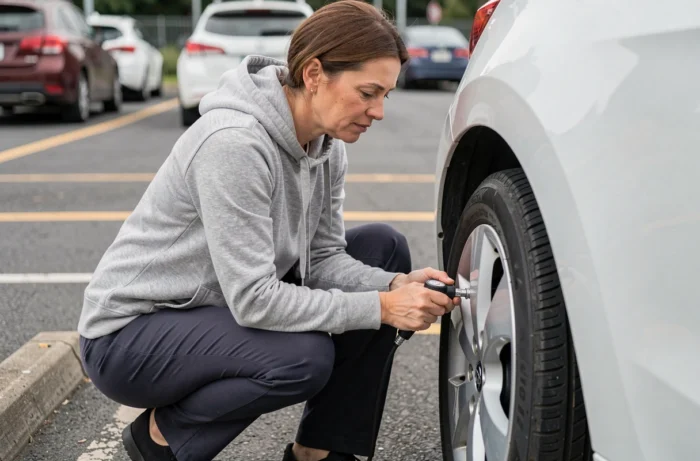
Engine oil and coolant: when checking the level alone is not enough
Checking the oil and coolant levels is a familiar part of car maintenance. Less well known is that the condition of the fluid matters just as much as its level. Oil that looks unusually black or gritty between changes may indicate a combustion problem or a clogged oil filter.
With coolant, its color and clarity can provide a useful clue. Coolant that has turned brown or cloudy may indicate contamination, sometimes caused by a faulty head gasket. Waiting for the warning light to come on means taking action after the first damage has already occurred.
Practical inspection intervals
- Ideally, check the engine oil every 1,000 km or every two weeks, with the engine cold, making sure the dipstick reading is between the MIN and MAX marks
- Check the coolant with the engine cold, making sure it reaches the upper mark on the expansion tank
- Check the brake fluid monthly: a rapidly falling level indicates a leak or severely worn brake pads
These checks take just a few minutes and require no special tools. Most importantly, they help you spot a problem before it turns into a costly breakdown.
Car battery: warning signs to look out for before it fails
The battery is one of the components most often overlooked until the morning the starter refuses to turn over. A vehicle that has not been driven for several weeks will naturally lose charge, but certain warning signs appear well before the battery fails completely.
A slower-than-usual start, headlights that dim at idle, or an infotainment system that resets for no apparent reason are all classic signs of a battery nearing the end of its life. Battery life is significantly reduced if the vehicle is used mainly for short city trips, when the alternator does not have enough time to recharge it properly.
A visual check of the terminals can also help: whitish or greenish deposits on the battery posts indicate corrosion, which increases electrical resistance. Cleaning them with a wire brush and a little electrical contact grease can extend the life of the connection.
Driving and fuel consumption: how your habits affect your car’s mechanics
Maintenance is not just about what you do when the car is parked. The way you drive directly affects brake wear, fuel consumption, and engine longevity.
Accelerating hard and then braking late puts far more strain on brake pads and discs than anticipating traffic. On an urban route, smooth driving can noticeably reduce fuel consumption compared with aggressive driving, simply by keeping engine speed moderate and using engine braking before applying the brakes.
Three everyday habits that help protect your car
- Switching off the air conditioning a few minutes before reaching your destination reduces the load on the compressor and limits condensation in the system
- Avoiding driving with the fuel tank nearly empty protects the fuel pump, which uses fuel as a coolant
- Allowing the engine a little time to warm up before running it at high revs, especially in cold weather, reduces wear on the piston rings and cylinders
These habits require no financial investment. They simply call for consistency, which is the key to effective maintenance.
A vehicle that is properly maintained and driven with a little care stays reliable for longer and costs less to run. The best maintenance tool is an up-to-date logbook, whether on paper or digital, recording every service and issue along with the date and mileage.