
Creative hobbies, sports, reading, cooking, volunteering: the list of ways to spend your free time keeps growing as more options become available. But not all activities are equal when it comes to accessibility, cost or impact on well-being. What criteria can help distinguish a truly rewarding hobby from a pastime that loses its appeal after a few sessions?
Cultural, sporting and digital hobbies: comparing the main types of activities
Before choosing an activity, weighing up several factors can help you make an informed decision. The table below compares three broad categories of hobbies using practical criteria.
| Criterion | Cultural hobbies (reading, museums, concerts) | Sporting hobbies (running, swimming, hiking) | Digital hobbies (video games, online courses, ebooks) |
|---|---|---|---|
| Geographical accessibility | More common in large cities than in rural areas | Possible almost anywhere, indoors or outdoors | Available wherever there is an internet connection |
| Cost to get started | Varies: free (library) to expensive (concerts, subscriptions) | Low to moderate (basic equipment) | Subscription or digital purchase, often with no expensive equipment needed |
| Main barrier | Lack of time, fear of crowds | Lack of initial motivation | Uncertain ownership of digital content |
| Social aspect | Book clubs, group outings | Clubs, associations, local events | Online communities, forums |
This overview highlights a clear gap: access to cultural outings remains unequal depending on where people live. The 2025 Cultural Outings Barometer confirms that cinemas, concerts and libraries are visited more often in large cities. For people living in rural or suburban areas, outdoor sports and digital activities offer a practical alternative.
A regularly updated overview on Scoopzilla’s leisure activities page makes it easy to find ideas by topic and profile, helping you narrow down your options.

Barriers to leisure: what really gets in the way of enjoying your free time
Lists of ideas assume that readers have the time, motivation and access they need. The reality is more complicated. The same 2025 barometer identifies three major barriers to cultural outings: lack of availability, perceived lack of interest and fear of crowds.
These obstacles are not limited to cultural activities. In sports, getting motivated at the outset can be just as challenging. Starting a running or swimming programme alone takes consistency that can be hard to maintain without a group or other support.
How to overcome the time barrier
Activities that fit into short time slots are easier to stick with over the long term. A twenty-minute reading session, a quick weekend cooking workshop or an online course split into ten-minute modules can fit into a busy schedule without requiring you to rearrange your day.
How to overcome the geographical barrier
For people who live far from cultural centres, there are several options:
- Online courses (languages, cooking, DIY, music) eliminate the need to travel and often offer on-demand formats
- Volunteering at a local club or association offers both a hobby and social connection, without having to travel to a large city
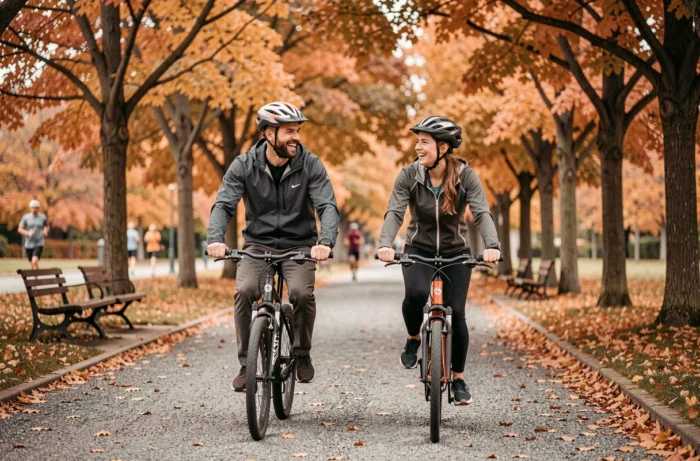
- Outdoor activities (hiking, cycling, gardening) make the most of the space available in rural areas—an advantage city dwellers don’t have
A sustainable hobby is one that fits around the realities of everyday life, not one that requires you to reorganise everything around it.
Digital hobbies: the question of content ownership
Digital leisure activities are growing across all age groups. Video games, ebooks, streaming films, meditation apps: the catalogue keeps expanding. This convenience can obscure a vulnerability that leisure guides rarely address.
The difference between owning a physical item and accessing a digital service changes everything. A printed book stays on your bookshelf for as long as the paper holds up. An ebook bought on a platform may disappear if the publisher withdraws the title or the service shuts down. The same applies to video games bought digitally.
This doesn’t mean digital hobbies aren’t worthwhile. It simply means making an informed choice between several options:
- A subscription (music streaming, online learning platform) works if you’re happy not to keep the content long term
- Buying physical copies (books, vinyl records, boxed games) ensures lasting ownership, but comes with a cost and takes up storage space
- DRM-free downloads, where available, offer a compromise between going digital and keeping your content
Considering this before taking up a digital hobby can help you avoid the disappointment of losing a collection built up over several years.
Volunteering and group activities: hobbies that build social connections
Volunteering at a sports club, cultural association or local support organisation is a type of hobby often missing from conventional lists. Getting involved in a group combines free-time activity, skills development and the chance to build connections.
Unlike a solitary hobby, volunteering comes with structure: schedules, responsibilities and regular interaction. Far from being a burden, this structure helps you stay consistent. It can be hard to keep up an activity on your own, but that changes when others are counting on you to show up.
Local associations welcome people from all walks of life, from retirees to students. Seeing volunteering as a hobby in its own right, rather than a sacrifice of free time, changes how you think about it: you gain skills, expand your network and find personal fulfilment.
Ultimately, choosing a hobby comes down to three simple factors: the time you have, where you live and the kind of reward you’re looking for (learning, relaxation or social connection). Weighing up these factors before starting a new activity reduces the risk of giving up quickly and turns free time into time you truly choose how to spend.